
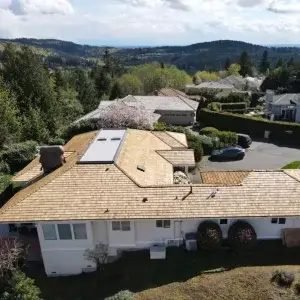
They’re both beautiful in their own right, but when it’s time to actually pick a new roof, the asphalt shingle roof and cedar shake decision feels bigger than it looks on paper. Costs have shifted this year, weather’s been weirder, insurance rules got tighter in a lot of areas, and curb appeal still matters when you pull into the driveway at dusk.
This guide breaks it down clearly, what each roof is, what it costs now, how long it lasts, how it behaves in storms, and which one makes sense for your home and budget. Many homeowners struggle with choosing between cedar shakes and asphalt shingles when selecting roofing materials for their homes.
The asphalt shingle is the most cost effective option, while the cedar shake offers a rustic appearance. Both are popular roofing materials, but they differ in durability, maintenance, and price. The shake roof vs shingle roof debate often comes down to personal preference and local climate.
What Each Roof Type Is
Asphalt shingles, the familiar favorite
Most homes you pass on a typical suburban street wear asphalt shingles. They’re manufactured in layers, topped with colored mineral granules for looks and UV protection. In 2025, the most common styles are architectural (also called laminated) shingles, which have that dimensional look, and higher-end designer lines that mimic slate or shake.
People pick asphalt because it’s predictable. It sets up fast, it’s widely available, and most roofers know it like the back of their hand. And if you live where it rains a lot, like in the Puget Sound region, the granules and modern formulas that resist algae help keep streaks down.
Asphalt shingles are a traditional option among roofing materials, offering a uniform appearance and being energy efficient in some designs. The asphalt roof is a cost effective choice for many, with different styles available. Asphalt shingle roofs are virtually maintenance free with proper installation.
Cedar shake, the natural standout
Cedar shake roofs use split or sawn cedar pieces. They’re thicker than shingles (the wood kind) and have a rugged, textured face. That’s what gives cedar its storybook charm, especially on craftsman, cottage, and Northwest-style homes where wood just looks right.
The cedar shake roof is made from cedar shakes that are split or sawn from cedar wood. Unlike cedar shingles, which are sawn smooth, cedar shakes are split for a rustic appearance. The cedar shake roof provides a natural material that ages to a silvery gray, offering fire resistance when treated. It is also resistant to some fungi but requires more maintenance to prevent mold and moisture issues. Cedar roofs are a durable option compared to other roofing materials, but they need to be properly maintained to achieve their life expectancy.
Cedar has a built-in insulating feel and ages gracefully to a silvery gray. But it’s still wood. That means it breathes, it swells and shrinks, and it asks for a little more care. In rainy climates from Olympia to Bellingham, that’s a factor.
Explaining Roofing In Washington
Roofs aren’t one-size-fits-all. In coastal Washington, wind-driven rain and moss pressure are real. Asphalt and cedar both work here, but they live differently on the same block. Choosing the right roofing solution is about how you want the roof to perform, and how much time and money you want to spend keeping it happy.
The cedar shake roof offers a rustic look that enhances the home’s exterior and curb appeal, but it may not be the perfect roof for every house. Compared to other roofing materials, cedar shakes offer a natural wood appeal that is beautiful and unique.
Cost in 2025: Upfront and Lifetime
Upfront price ranges homeowners are actually seeing now
In 2025, national averages for full tear-off and replacement typically fall in these brackets:
- Asphalt architectural shingles: roughly $6 to $10 per square foot with installation, depending on region, roof complexity, and brand. Steeper roofs or lots of flashing can nudge higher.
- Cedar shake: often $12 to $20 per square foot with installation for quality, certified shakes and proper underlayment. Premium hand-split shakes or complex roofs can go above that.
The asphalt roof is often the most cost effective option among roofing materials, while the cedar shake roof costs more due to its natural material and installation needs.
Why cedar costs more to install
Material price is only part of it. Cedar is slower to set up, and roofers often add additional underlayment or specialized fasteners to meet local code or insurer requirements. Transport and sorting of quality shakes adds time. It’s a craft job.
Asphalt rides on economies of scale. Manufacturers produce miles of it, logistics are simple, and many crews can shingle a standard home in a day or two. The roofing industry sees asphalt as a cost effective material, but cedar shakes offer a premium look that many find worth the expense.
Lifetime costs
Total cost of ownership blends replacement cycles, repairs, and maintenance.
- Asphalt shingles usually last 20–30 years for quality architectural products when set up well and vented right. If the plan is “one new roof then sell in 10–15 years,” asphalt often pencils out best.
- Cedar roofs can reach 25–40 years with regular care and proper roof design (clean airflow, sunlight, and good drainage). In damp, shaded lots, owners may see shorter lifespans unless they keep up with cleaning and treatments.
Maintenance tilts the lifetime math. Cedar will likely need periodic cleaning and preservative treatments to control moss and decay. Asphalt needs less, though moss still shows up in shaded Seattle cul-de-sacs.
The cedar shake roof has a longer life expectancy than many other roofing materials, but it requires more maintenance to stay energy efficient and durable.
Financing and timing in 2025
Rates are still on the higher side compared with pre-2020 years, and material volatility hasn’t fully gone away. Some property owners are staggering projects, gutters now, roof next spring, though bundle discounts can help. Local contractors sometimes offer seasonal pricing during slower months, which can shave a surprising chunk off a bid if you’re flexible.
Lifespan, Durability, and Safety
How long they last when weather gets loud
- Asphalt architectural shingles: commonly 20–30 years. Heat, attic ventilation, tree cover, and installer skill make or break the result. In wind zones, look for products rated for higher wind uplift.
- Cedar shakes: 25–40 years with good care and site conditions. The wood itself is resilient, but moisture management is the whole ballgame. Valleys, north-facing slopes, and clogged gutters shorten lives.
Manufacturers’ warranty terms and local climate are better predictors than a blanket number. A roof in Yakima’s drier climate lives a different life than a roof in Everett under a big cedar tree. The cedar shake roof’s longevity makes it a popular choice among roofing options, but the asphalt roof is more cost effective for those seeking less maintenance.
Storm, wind, and impact
Modern architectural shingles can be ordered with higher wind ratings and options that resist impact. Those upgraded asphalt products sometimes earn small insurance discounts in hail-prone states.
Cedar is tough in a different way, thick and flexible. But repeated wetting and drying can loosen fasteners over the years. Debris buildup between shakes can channel water sideways. If your property is tree-heavy, plan on more frequent cleanups either way.
The shake roof vs shingle roof in storms highlights the durability of both, but asphalt roofs offer better resistance in some cases.
Fire considerations
As of 2025, more jurisdictions are enforcing roofing that resists fire in wildfire-prone areas. Asphalt shingles with a Class A fire rating are widely available and, when paired with the right underlayment system, meet common code requirements for fire resistance.
Cedar can be treated to improve fire performance, but untreated wood shakes may not be permitted in some communities. If you live near the wildland–urban edge in Washington, think the east slopes or wooded suburbs, check local rules first. It’s not a paperwork thing: it’s your roof’s first line of defense when embers fly.
The asphalt roof has a higher fire rating than untreated cedar shake roofs, making it a safer option in many areas.
Safety on the roof and in the attic
Proper attic airflow lowers heat buildup and moisture, which helps both roof types last longer and reduces mold risk. Attic safety is an important factor for both asphalt roofs and cedar shake roofs, ensuring longevity and energy efficiency.
Maintenance and Ownership
What asphalt asks of you
Asphalt shingles don’t want much. Keep gutters clear. Trim branches so they’re not scraping the surface. If algae streaks show up, gentle cleaning or an approved wash can help, and many 2025 products ship with granules that resist algae.
Spot repairs are straightforward. A lifted shingle here, a missing tab there, repairable without calling in a specialty crew. That lowers headache points.
Asphalt roofs are virtually maintenance free, but occasional checks keep them in top shape.
What cedar expects
Cedar needs more routine attention, especially in rainy corridors from Tacoma to Lynnwood.
- Annual or biannual debris removal so needles and leaves don’t trap water.
- Periodic professional cleaning to knock back moss and lichen.
- Depending on exposure, preservative treatments to slow decay.
The payoff is that gorgeous, textured roofline. The trade-off is time and maintenance dollars. And if you’re not up for climbing ladders, budget for pro cleanings.
The cedar shake roof requires more maintenance than the asphalt roof, but it provides a beautiful roof with rustic appeal.
Small design details with big impact
Overhangs, flashing at chimneys and skylights, and how the roof sheds water into gutters, all of that dictates how often you’ll be calling for service. A clean, simple gable roof is less fussy than a cut-up roof with five valleys and a dozen penetrations. That’s actually true for both asphalt and cedar.
Design choices can make the cedar shake roof or asphalt shingle roof more durable and less prone to moisture issues.
Look and Curb Appeal
The visual story from the street
Asphalt has range now. In 2025, color blends are far better than the flat, monotone shingles of the past. Charcoal, pewter, weathered wood tones, manufacturers design these to pair with modern paint palettes. Some designer shingles intentionally echo the shadow lines of cedar shakes without the upkeep.
Cedar shake remains the king of character. It adds depth and a lived-in warmth architectural shingles try to imitate. In older homes, cedar can preserve the original vibe and, in certain neighborhoods, it simply looks “right.”
The cedar shake roof enhances the home’s curb appeal with its natural wood and rustic appearance, making it a perfect roof for traditional homes.
Resale and appraisals
Real-estate pros often report that a new roof, any new roof, removes buyer anxiety. Asphalt wins on broad buyer acceptance. Cedar can narrow the pool a bit because of maintenance expectations, but buyers who love the look might actually pay more. Different streets, different reactions. One realtor in Seattle told us she sees cedar fetch a premium in certain Craftsman-heavy blocks, as long as it’s well cared for.
A well-maintained cedar shake roof can boost resale value more than other roofing materials in some markets.
Environmental Impact in 2025
Material sourcing and end of life
Asphalt shingles are petroleum-based. Historically, many end up in landfills, but 2025 continues a steady push for recycling into pavement and other uses. Cedar is a renewable wood product. Responsibly harvested western red cedar can be a lower-carbon choice upfront. But the environmental story includes maintenance: treatments and cleanings add their own footprint over time.
Cedar roofs use natural wood, making them an eco-friendly option compared to other roofing materials like tile or fiberglass-based products.
Energy and comfort
Neither roof is a silver bullet for energy savings on its own. Lighter-colored asphalt shingles can reflect a bit more summer heat: good attic insulation and ventilation do the heavy lifting. For climate-specific guidance that applies this year, check out the Department of Energy’s homeowner resources.
In winter, cedar’s natural thickness can offer a small bump in comfort, though it’s the whole system, roof deck, attic, and ventilation, that sets your bills. If energy costs in your area have been creeping up this year (they have for many), the smartest spend is often sealing air leaks and improving attic insulation while you’re reroofing. The cedar shake roof can be more energy efficient due to its natural insulation properties.
Local weather realities
In maritime Washington, moss grows on just about anything that sits still. Cedar attracts it faster. Asphalt with granules that resist algae buys you time before streaks show up. If you have tall firs and a north-facing slope, plan accordingly. The cedar shake roof may develop mold or other fungi faster than asphalt roofs in damp climates.
Warranties, Insurance, and Local Rules
Warranties you’ll actually use
Asphalt manufacturers commonly offer limited lifetime warranties on materials for the first owner, with a strong non-prorated period up front. Some add extended coverage if a certified installer handles the job and the full system, starter, underlayment, ridge, is used.
Cedar warranties usually come from the mill or a certifying body on the material, not the weathering. The Cedar Shake & Shingle Bureau explains grades and certifications and offers guidance on product selection.
Either way, labor warranties come from your contractor. Read both documents. Twice if needed.
Insurance in 2025
Insurers have been tightening underwriting in higher-risk areas. Many carriers prefer Class A fire-rated roofs and may surcharge or restrict coverage for wood roofs in wildfire-adjacent ZIP codes. Asphalt products that resist impact can sometimes earn premium credits in hail states.
If you’re in Washington’s WUI fringe or just near heavy timber, call your agent before signing a cedar contract. It’s better to know how your premium might change.
Codes and community rules
Local building codes borrow from the International Residential Code and, in wildfire areas, the International Wildland–Urban Interface Code. Many municipalities updated or clarified roof requirements in the last couple of years as fire seasons got longer. Homeowners associations can also limit or specify roof types and colors.
How to Choose the Right Roof for Your Home
Start with your home’s setting
- Lots of shade, big evergreens, and constant drizzle? Asphalt’s lower maintenance might be the calmer path.
- Sunny exposures, a love for natural materials, and you don’t mind scheduling cleanings? Cedar shake could make the house look like it always belonged on that lot.
And if wildfire risk is part of your reality, asphalt with a strong fire rating and details at vents that resist embers is the safer, simpler choice.
The cedar shake roof thrives in sunny areas, but the asphalt roof is better for shaded lots.
Budget, then priorities
If the budget is tight, asphalt architectural shingles deliver the best price-to-value in 2025, clean look, solid durability, and wide warranty options. Cedar costs more up front and down the road. Some property owners simply love the look enough to accept the upkeep. That’s fine: it’s your home, your statement.
Consider the total cost, including roof replacement, when choosing between cedar shake roofs and asphalt roofs.
Plan the install, not just the products
A great roof is 60% materials and 40% craftsmanship. Actually, some pros would flip those numbers. Pick an installer who can explain the ventilation plan, flashing details around chimneys and skylights, and how they’ll handle tricky valleys.
For Washington readers, a local contractor who works through the rainy season is gold. NearMe Roofing Company shares project photos and process notes for Seattle-area roofs, which helps property owners visualize options before committing: https://nearmeroofingcompany.com/
Proper installation is key for both cedar shake roofs and asphalt shingle roofs to ensure longevity.
A small matrix to sanity-check
- You want lower first cost, fast setup, wide colors: asphalt architectural.
- You want heirloom texture and don’t mind maintenance: cedar shake.
- You need the easiest path through insurance and fire rules: asphalt with Class A fire rating.
- You’re restoring a historic craftsman and value authenticity: cedar, or a high-end asphalt that imitates it if rules or budget push that way.
Don’t skip the attic
Ask for an attic check. A quick look at moisture, insulation coverage, and airflow can add years to whatever roof you choose. The DOE’s homeowner pages remain a useful cross-check before signing a contract: https://www.energy.gov/energysaver/
I almost forgot to mention, schedule around the forecast. In our region, October through March can be soggy. A dry window makes everything go smoother.
Conclusion
Choosing between an asphalt shingle roof and cedar shake roof in 2025 comes down to a few honest questions. What matters more, lower maintenance and easier insurance, or natural beauty with extra care? How does your lot behave, sunny and open, or shaded and damp?
Asphalt checks the practical boxes: price control, fire resistance, quick setup, and lots of color options. Cedar brings character that asphalt tries to copy, and when it’s cared for, it’s stunning. Either way, the setup quality and the attic details decide how the roof performs, not just the brochure.
For property owners in Western Washington weighing the two, a quick call with a reputable local roofer helps cut through the noise. Reviewing side-by-side bids and photos, NearMe Roofing Company’s gallery is helpful here, can make the decision feel less abstract and more like, yes, that’s the roof. Then you can stop thinking about shingles and shakes and start enjoying the house again.
The cedar shake roof remains a beautiful roof choice for those who value natural wood and rustic appeal, while the asphalt roof is ideal for a cost effective, low-maintenance solution.
Frequently Asked Questions
How does an asphalt shingle roof differ from a cedar shake roof?
Asphalt shingles are manufactured, layered products with mineral granules for UV protection and algae resistance. They set up quickly and come in many colors and designer styles. Cedar shakes are thicker, natural wood pieces with rugged texture and storybook curb appeal. They breathe, swell, and shrink, and generally require more care, especially in rainy climates.
How much do asphalt shingle roofs and cedar shake roofs cost in 2025
In 2025, architectural asphalt shingles typically run about $6–$10 per square foot with installation, depending on roof complexity and region. Cedar shake often costs $1,200–$2,000 per square (100 square feet) for quality, certified material and proper underlayment. Cedar’s higher labor time, added fasteners, and specialized details drive the premium compared with asphalt.
Which lasts longer—asphalt shingles or cedar shake—and what maintenance is needed
Quality architectural asphalt shingles commonly last 20–30 years with proper installation and ventilation. Cedar shake can reach 25–40 years when site conditions are favorable and maintenance is routine. Cedar often needs periodic debris removal, professional cleaning, and preservative treatments. Asphalt generally needs less upkeep, though shaded, damp sites can still invite moss.
For fire safety and insurance, is an asphalt roof and cedar shake roof a meaningful difference?
Yes. Many asphalt shingles carry a Class A fire rating and, with correct underlayment, meet stringent code requirements, which insurers often prefer. Cedar can be treated for improved fire performance, but untreated wood shakes may be restricted in wildfire-prone areas. Always check local codes and talk with your insurer before choosing cedar.
Can I mount solar panels on cedar shake roofs or asphalt roofs?
Solar panels are typically easier and cheaper to mount on asphalt shingle roofs because hardware is standardized and penetrations are straightforward to flash. Cedar shake is workable but more complex; installers may require standoff systems, added flashing, or battens. Expect higher labor costs and fewer contractors comfortable working directly on wood shakes.
Can I put on a new roof over existing shingles, and does that apply to cedar shake?
Many jurisdictions allow one asphalt overlay if the deck is sound and codes permit, though a full tear-off performs best and preserves warranties. Cedar shake is different: overlays are generally not recommended. Most projects require tearing off cedar, re-sheathing the deck, then setting up the new roofing system for proper performance.
The wood shake roof, like the cedar shake roof, offers a natural and rustic appearance but may require more maintenance than shingle roofs.


