
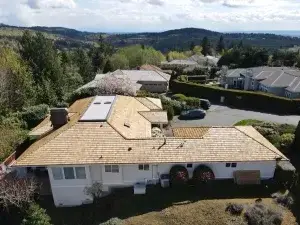
The short answer is that it takes one to three days for a straightforward asphalt roof replacement. That’s the truth for a lot of houses, but not all. The actual timeline will be determined by the choice of roofing materials, weather, and complexity of the current roof, as well as other factors.
In places like Western Washington, where rain loves to crash the party, timelines flex a bit—a process that can sometimes take a bit longer due to weather or material availability. The real answer blends roof size, pitch, crew experience, material logistics, and weather windows. And honestly, a little planning on the homeowner’s end cuts down the chaos. Many homeowners are also concerned about the overall cost, which is influenced by material and labor choices.
Before diving into the timeline, let’s consider the various roofing materials available. Asphalt shingles are common for their affordability and ease of installation. Metal roofing offers durability and can last 40-70 years, but the installation methods for metal roofing may take longer than for shingles. Slate roofs and clay tiles are premium options, providing a unique look and long lifespan, but they require experienced roofing contractors and can increase roof replacement costs significantly.
Concrete tiles are another option, offering fire resistance but adding weight to the roof deck. Choosing the right roofing material is crucial for the overall cost and longevity of your new roof. Architectural shingles, also known as architectural asphalt shingles, provide a dimensional look to the roof and are a popular choice among homeowners. If your old roof is in poor condition, it may lead to water damage or roof leaks, necessitating a complete roof replacement process. It’s advisable to consult roofing companies with good online reviews to ensure a quality workmanship warranty.
This guide breaks down the typical schedule, what actually happens on the roof, and the speed bumps that drag things out. Under optimal conditions—such as good weather and material availability—the roof replacement process is often completed more quickly.
If you’re staring at curling shingles or granules in the gutter and asking how long it takes to replace your asphalt roof, here’s a practical, no-spin timeline from removal to that last nail set. The roof replacement project can vary depending on the existing roof, roof deck condition, and whether there are leaks or other issues like damaged slate roofs or tile roofs in some houses.
Typical Timeline at a Glance
One-day vs. two-day jobs
For a single-layer removal on a small, simple roof, a skilled crew can often finish in one day. They arrive early, stage materials, strip shingles, check the deck, install underlayment and flashing, then shingle and clean up before dusk. That’s a smooth day, no rotten decking, no surprise skylight leaks, and decent weather. If your roof has multiple layers of shingles, replacing it will take longer due to the extra time needed to remove all layers.
Two-day timelines are more common. This schedule typically applies when replacing the entire roof, not just a section. Day one handles the removal of the old roof, deck repairs, and dry-in (underlayment and key flashings). Day two is for shingles, ridge vents, detail work, and a meticulous cleanup. Multi-structure properties, garages, porches, dormers, push toward day two or three as well. For roofs with complex designs or additional features like chimneys or skylights, the roof replacement may extend further.
If someone promises a guaranteed one-day swap in late October during a Puget Sound storm window, they’re either very confident or new to the neighborhood.
What’s included in “time to replace”
When people say “time to replace,” they usually mean the on-site workdays. However, the full roof replacement process involves several steps, and can include different installation methods—such as a full removal or an overlay—which may affect the overall timeline. But the full replacement timeline actually includes:
- Pre-job phase: site visit, estimate, material selection, permits (if needed), and scheduling.
- Production days: removal of old materials, repairs, underlayment, ice/water barriers (where used), flashing, shingles, ventilation, and ridge caps.
- Post-job: cleanup, magnet sweep for nails, final walkthrough, and warranty registration.
The production chunk is the 1–3 day piece. The admin and logistics work can take a week or two depending on material in-stock status and the calendar. In peak season, slots book fast. Labor costs and roof replacement costs can also influence the scheduling with roofing contractors or roofing companies.
What Happens During an Asphalt Roof Replacement
Tear-off and deck inspection
The crew starts with protection: tarps over landscaping, plywood over delicate areas, and a dumpster staged for drop zones. Then comes the removal: shingle shovels remove and dispose of all old materials, including old shingles, nails, old underlayment, and flashing. Valleys and eaves get special attention because that’s where water likes to sneak in.
With the roof deck (also known as roof decking) bare, they inspect for damage. Soft spots, delamination, and blackened edges around vents get flagged. Any rotten oriented strand board (OSB) or plywood is cut out and replaced—often with new oriented strand board, which is valued for its strength and durability.
From experience, small decks usually need one to three sheets swapped; older homes sometimes more. Skipping this step is how roof leaks return. The existing roof condition plays a key role in determining if additional roof deck repairs are needed during the roof replacement.
Underlayment, flashing, and ice barriers
The roof gets dried-in fast with synthetic underlayment (it resists tears better than old felt). A water-resistant barrier is installed over the decking to prevent water infiltration and protect against water damage. In colder zones or along eaves and valleys, an ice and water shield creates self-sealing protection against wind-driven rain and ice dams; these measures help prevent water from entering vulnerable areas. Washington’s higher elevations and foothill communities see real benefit here.
Critical flashing, drip edge, step flashing along sidewalls, and new boots at plumbing penetrations, goes in next to prevent water from seeping into the roof. Chimney counterflashing is either replaced or re-bedded and sealed: this is not the place for shortcuts. These steps ensure your roof is protected from leaks and harsh weather. For different roofing materials like metal roofing or tile, flashing installation methods may vary to suit the material.
Shingle installation and ventilation
Starter shingles are installed along the eaves as the crucial first step, creating a secure, waterproof, and wind-resistant base layer for the shingle installation. After the starter shingles, field shingles are laid in courses to build the shingle roof system. Nail placement follows the manufacturer’s exposure line and number of fasteners per warranty spec (typically four to six nails per shingle). Valleys may be woven, closed-cut, or metal-open, depending on the design.
Ventilation matters more than most realize. Balanced intake and exhaust (soffit vents + ridge vent, typically) prevents heat build-up and moisture problems in the attic, which improves shingle life and energy performance.
Cleanup and final walkthrough
Good crews clean as they go. End of day, they roll magnets for nails, check gutters, and sort recyclable shingle loads if the facility allows. During the final walkthrough, a final inspection is performed to ensure all work meets quality standards. This final inspection checks for quality in flashing edges, ridge cap alignment, sealant points, and ventilation openings. Homeowners get the warranty documents and care tips, yes, new roofs still need a little TLC.
Factors That Speed Up or Slow Down the Schedule
Roof size and complexity
Square footage is the blunt instrument, bigger takes longer. But geometry is the real time thief. Multiple hips, valleys, dormers, skylights, and chimneys force slower, more careful detailing. Roof type—such as gable, hip, or flat—also affects the time required for replacement, as different structures and materials can influence the process. A plain 20-square ranch can beat a fussy 15-square Tudor on time.
Steepness and accessibility
Pitch dictates pace. Walkable slopes (4/12 to 6/12) run faster: steep slopes require extra safety gear, staging, and careful footwork. Access matters, too. If crews can back a dumpster and shingle loader close to the eaves, they save hours. Tight urban lots or winding drives slow everything from removal to reloads.
Crew size and experience
A seasoned 6–8 person professional crew or experienced roofing crew moves like a relay team: removal, repair, dry-in, shingle, detail. Smaller or newer crews simply need more time. It’s not a knock: roofing is learned with hands and time on ladders. Hiring a reliable roofing contractor or roofing companies with a professional crew can make a difference in the roof replacement project.
Weather and season
Rain, snow, or high winds shut down roofing fast. Shingles need a dry deck and safer conditions for footing. In Western Washington, fall storms and spring squalls can cause mid-day pauses. NOAA’s climate data shows notable rainy-season peaks in late fall across the Seattle area, which translates to narrower, safer work windows. Summer runs smoother, though heat can slow afternoon production. High winds can also affect the installation of starter shingles and new shingles.
Permits, inspections, and HOA rules
Some municipalities require permits for roof covering replacement, especially when adding ventilation or replacing decking. Homeowners’ associations may need advance approval on color or profile. Homeowners should also check how to get insurance to pay your roof replacement costs, as navigating claims is often necessary. Waiting on a permit or an HOA board meeting can delay start dates. Seattle’s permitting portal is the place to confirm requirements and timelines.
Tear-off vs. overlay
There are different installation methods for roof replacement, such as overlay or full tear-off. An overlay involves installing new shingles over the existing layer, which saves time on tear-off and can sometimes shave a day off the project. However, this method adds weight, can mask deck issues, and may void certain warranties. The National Roofing Contractors Association generally recommends full tear-off to address the substrate properly.
Sample Timelines by Home Size
Small single-story (under 1,500 sq. ft.)
- Day 1 morning: Protect property, full removal of current roof, deck repairs if needed.
- Day 1 midday: Underlayment, drip edge, flashings, vents.
- Day 1 afternoon: Shingle installation, ridge caps, cleanup.
If decking repairs exceed a couple of sheets or rain hits midday, a second morning may be needed for completion and cleanup.
Typical two-story (1,500–2,500 sq. ft.)
- Day 1: Removal of old roof and dry-in. Begin shingles on easier slopes.
- Day 2: Finish shingles, detail valleys, chimneys, skylights, and do the final magnet sweep.
Two-story homes often carry more roof facets and penetrations. The extra ladder moves and safety tie-offs add small chunks of time that, weirdly, add up. The same size house with a more complex roof type may take a bit longer.
Large or complex (2,500+ sq. ft. or many roof lines)
- Day 1–2: Progressive removal and dry-in sections. Decking swaps as found.
- Day 2–3: Shingles, ventilation, ridge caps, custom metal flashing.
- Day 3–4: Overflow buffer for weather, complex detailing, and thorough cleanup.
If the house has multiple skylights, intersecting gables, and a tall pitch, expect the longer side of that range. Complexity eats hours, not just squares. For large roofs, the roof size and several factors like high winds or layers can influence the timeline.
Planning and Prep You Can Do Ahead of Time
Scheduling, materials, and dumpster placement
Book a site visit a couple of weeks ahead, especially May–September, to properly plan your roofing project. When planning, consider the needs of the entire building, including access for materials and equipment. Confirm material availability, as popular colors sometimes backorder for a week or two. Ask where the supplier will drop shingles and where the dumpster can sit without damaging the driveway. A small sheet of plywood under the dumpster wheels helps.
If you’re in a tight cul-de-sac, coordinate with neighbors so the loader truck can get close. Ten extra steps per bundle turns into an hour lost before lunch. Planning helps in managing labor costs and overall roof replacement costs.
Protecting landscaping and interior
Move patio furniture, grills, and planters away from eaves. Cover garden beds near drip lines with breathable tarps the morning of the job. Inside your home, pull pictures off the walls. In your attic storage, lay sheets over boxes to catch dust and shingle grit. These steps protect your property during the roof replacement.
Pets, kids, and parking
Set up a quiet room or daycare plan. Keep kids clear of the yard during removal: nails bounce in strange ways. Park vehicles on the street the night before to keep the driveway open for the crew and deliveries. It’s one of those small things that moves the whole day along.
Day-of: What You Can Expect
Noise, vibration, and debris
Roof replacement is loud. Expect scraping, thumps, air compressors, and nailers. Ceilings can lightly vibrate. Crews will manage debris down designated drop zones into a dumpster. Some granules may appear in the gutters and downspouts afterward, that’s normal.
Access to your home during work
You can usually come and go. Crews appreciate a heads-up before opening the garage so they can pause drop zones. If you work from home, headphones help. And maybe a café run, just being honest.
Safety zones and communication
Roof edges, ladder bases, and dump areas are controlled zones. OSHA fall protection standards guide how crews tie-off and stage ladders. Your project lead should be your point person, with morning and midday check-ins to update on progress or any surprises. A quick chat avoids misunderstandings and keeps small hiccups small.
Common Delays and How to Avoid Them
Hidden decking damage
Rot around chimneys, bathroom vents, and eaves shows up after removal. The fix is straightforward, cut and replace, but it adds hours. Having a small allowance for sheathing in the contract prevents awkward mid-day stall-outs. Roof decking issues can increase the time for the roof replacement process.
Change orders and material shortages
Swapping shingle colors or upgrading to a ridge vent on install day introduces delays. So does discovering the supplier sent the wrong pipe boots (it happens). Confirm selections and counts at least two days before your start date. Material shortages can affect the availability of roofing materials like asphalt shingles or metal roofing.
Weather holds and wet decking
If the deck gets wet, shingles don’t go down, period. Trapped moisture under underlayment can lead to blistering and early failure. In rainy climates, crews dry-in sections as they go, but sudden squalls can still force a pause. NOAA’s short-term forecasts are worth checking the night before and morning of your job. Optimal conditions help in completing the roof replacement quickly.
How Long Until Shingles Fully Seal and Settle
Walkable vs. weather-tight
A new roof becomes weather-tight the day underlayment and flashing are in place, often day one. It’s walkable for roofers right away, but that’s not the same as fully sealed by the sun.
Temperature, sun, and adhesive tabs
Most architectural shingles use thermally activated adhesive strips that bond shingles together. Manufacturers generally note that warm temperatures and direct sunlight are needed for optimal sealing, which can take days to weeks, depending on the climate.
In summer, bonds can set within a few sunny days. In shoulder seasons around Seattle, expect a couple of weeks, maybe longe,r on shaded north slopes. Gusty days before sealing may cause a little shingle flutter: installers hand-seal tabs in high-wind zones when needed.
Care during the first few weeks
Avoid pressure-washing, rooftop holiday decor (tempting, I know), or foot traffic unless necessary. Keep gutters clear of stray granules and check that downspouts run free. If a branch scuffs a slope before full seal, let your contractor know, many will inspect and touch up sealant points as part of the workmanship warranty.
Comparing Time for Different Roofing Materials
While this guide focuses on asphalt shingle roofs, it’s worth noting how long it takes for other roofing materials. Metal roofs typically take 3-5 days for an average house due to specialized installation methods. Slate roofs can take 5-10 days because of the heavy materials and precise placement required by skilled roofing contractors. Concrete tiles and clay tiles may require 4-7 days, as they involve additional roof deck reinforcement to handle the weight.
Roof replacement costs for these materials are higher, but they offer longer lifespans. For example, metal roofing can protect your home for decades, while slate roofs are known for their elegance and durability. Always consult roofing companies for accurate estimates based on your roof size and type. On average, asphalt shingles are faster to install than tile or metal. Many factors like weather and layers affect all roof replacements. Good shape of the current roof can speed up the process for any material.
To ensure quality, choose a roofing contractor with positive online reviews and a solid workmanship warranty. Most homeowners prefer asphalt shingle roofs for their balance of cost and performance, but some opt for architectural shingles for enhanced aesthetics. If your old roof has multiple layers, the tear off will take longer regardless of the new roofing material. Roof leaks in the existing roof must be addressed to prevent water damage in the new installation.
In summary, the average time for roof replacement varies: asphalt shingles 1-3 days, metal roofs 3-5 days, slate roofs 5-10 days, concrete tiles 4-7 days, clay tiles similar. Labor costs and material costs contribute to the overall cost. Homeowners should pay attention to these factors when planning their roofing project. A few hours of research can save time and money in the long run. Under optimal conditions, even complex roofs can be completed efficiently by a skilled roofing crew.
Conclusion
Most asphalt roof replacements land in the one-to-three-day window once the crew steps on-site. Smaller, simple roofs can wrap in a day: complex geometry, steep pitches, or surprise repairs stretch things a bit. The bigger timeline drivers, weather, access, crew experience, and pre-job logistics, are manageable with a bit of planning from the homeowner, who plays a key role in making timely decisions and preparations.
For homeowners in Washington who want a realistic schedule and clear communication, NearMe Roofing Company understands the region’s wet season rhythm. Dial us to schedule an inspection, agree on a start date, confirm material lead times, set expectations about day-of access and cleanup, or inquire about our professional roof cleaning service.
If there’s one takeaway, it’s this: plan the job, prep the property, and watch how a well-run crew turns a noisy morning into a solid, weather-tight roof by dinner, give or take a rain cloud. A properly installed roof protects your home from weather, UV rays, and other elements, making it a smart investment for any homeowner.
Frequently Asked Questions
How long does it take to replace an asphalt roof?
Most asphalt roof replacements take 1–3 production days. Simple, single-layer removals on small, walkable roofs can finish in one day. Complex geometry, steep pitches, or decking repairs push jobs to day two or three. Remember, the full timeline also includes pre-job scheduling and materials, which can add 1–2 weeks.
Is a one-day asphalt roof replacement realistic in rainy regions like Western Washington?
Sometimes, but it depends on weather windows and roof simplicity. A small, simple roof with an experienced crew can wrap in a day if conditions stay dry. In Western Washington’s fall and spring storms, most projects plan for two days to allow dry-in, shingling, and thorough cleanup without rushing.
What factors affect how long an asphalt shingle replacement takes?
Roof size and complexity, pitch and access, crew size and experience, weather, and any permits or HOA approvals influence the timeline. Multiple hips, valleys, skylights, or chimneys add detailing time. Steeper slopes and tight driveways slow production. Seasoned 6–8 person crews move faster and handle surprises efficiently.
How long until new shingles fully seal after installation?
Roofs are weather-tight once underlayment and flashing are installed, often day one. Shingle sealant strips bond with warmth and sunlight, taking a few days in summer and up to several weeks in cooler, shaded conditions. In windy areas or shoulder seasons, installers may hand-seal tabs to ensure early wind resistance.
What’s the best season to replace an asphalt roof?
Late spring through early fall usually offers the driest, most predictable weather, making it the best time to replace an asphalt roof. Mild temperatures help sealant activation and keep crews efficient. Winter installs are possible but slower; cold and moisture increase weather holds and extend sealing times.
Does cold weather slow the process of replacing an asphalt roof?
Yes. Shingles can be installed in colder weather with proper handling, but adhesive strips activate slowly in low temperatures and limited sun, extending sealing time. Crews may stage smaller dry-in sections and hand-seal critical tabs. Extra safety measures and shorter daylight hours can also add production time.


