
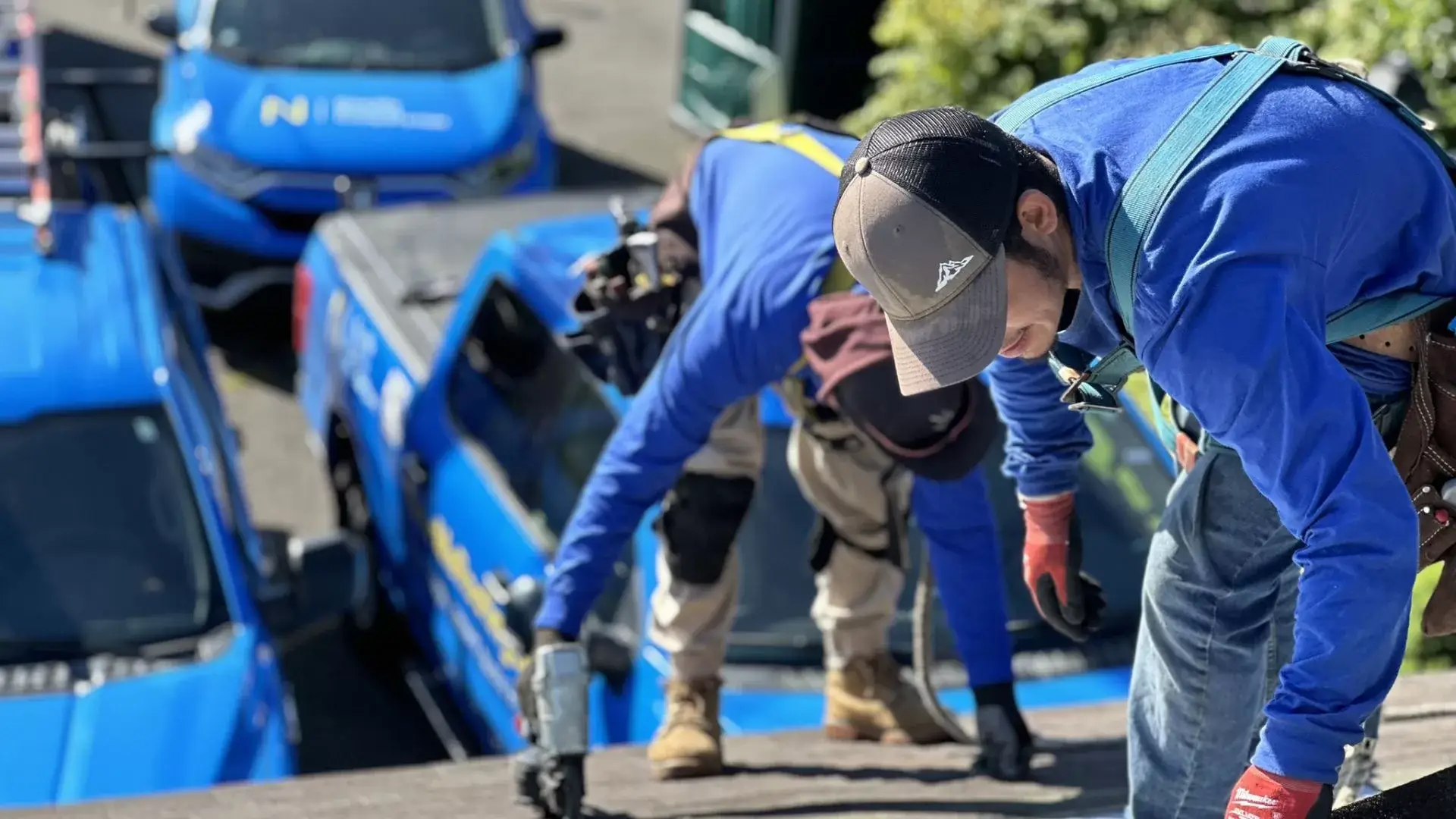
Asphalt Shingle vs Metal Roof: The Best Choice for Washington Homes
For Washington homes, both work, but they shine in different ways. Choosing the right roof is essential for maximum protection against Washington’s extreme weather and environmental factors, as well as for ensuring your roof meets local community guidelines and climate needs. Asphalt roofs are a popular, cost-effective choice for many homeowners, and this article will help you compare the pros and cons of choosing a metal or asphalt roof for your property.
Asphalt shingles cost less upfront and fit most neighborhood styles. Metal roofs last longer, handle heavy rain well, and can boost energy efficiency. In Puget Sound’s wet, moss-prone climate, durability, maintenance, and noise during rain matter too. If you plan to stay 10 years, shingles might be enough. If you’re thinking 30+ years, metal often wins on total cost of ownership. We’ll break down costs, lifespan, weather performance, energy, looks, warranties, and a quick decision guide for Seattle, Bellevue, and the surrounding communities.
For the best results and long-term roof performance, it’s important to hire a reputable roofing contractor who can ensure proper installation and quality workmanship.
Cost and Value Over Time
Upfront Costs in Washington
Across the Seattle–Bellevue area, asphalt shingles generally come in at the lower initial price point. For a typical single-family home roof (say 2,000–2,400 square feet), architectural asphalt shingles often land in the more affordable tier, with a lower cost per square foot. Metal roofing, whether standing seam or high-quality metal shingles, has a higher initial cost and a higher cost per square foot than asphalt shingles. This higher cost includes both materials and labor, as installation requires extra precision and expertise.
We’ve seen budget-sensitive projects in Kent or Lynnwood go with architectural shingles because they deliver a solid look and weather protection without shocking the wallet. Metal can be two to three times the price per square foot, depending on profile, gauge, and roof complexity. Not every house needs that level of investment right now, especially if you’re planning to sell in five to ten years.
That said, bids vary. Roof pitch, complexity (valleys, dormers, skylights), and access (tight Seattle lots vs. roomy Sammamish cul-de-sacs) all move the needle. Permitting and tear-off disposal fees also stack differently depending on the city.
Long-Term Costs: Repairs, Energy, and Resale Value
Over 20–40 years, the math changes. Asphalt shingles typically last 15–30 years and are more vulnerable to environmental factors such as humidity, temperature fluctuations, and moisture-related damage, which can shorten their lifespan. Asphalt roofs may need periodic repairs, replacing blown-off tabs after a wind event, or addressing chronic moss damage.
In the Puget Sound climate, algae-resistant shingles help, but moss still loves shade and moisture. Asphalt shingles also require more frequent replacement and frequent replacement compared to metal roofs, which can lead to roof replacement sooner due to their shorter lifespan and higher wear over time.
Metal roofs tend to last longer. A well-installed standing seam roof can run 40–50 years or more with minimal issues, so the replacement cycle stretches out. That’s often where metal pulls ahead on total cost of ownership, as metal roofs are often more cost-effective over the long term, especially if you’re planning to stay put.
Energy-wise, cool-metal finishes reflect more solar heat than darker shingles. Dark-colored asphalt shingles can absorb and retain heat, leading to increased indoor temperatures and higher energy costs for cooling. According to the U.S. Department of Energy, cool roofs can reduce cooling demand by 10–15% in warm conditions, depending on climate and construction details. Summers around Puget Sound are milder than Phoenix, obviously, but heat waves have been more frequent.
Resale? We’ve noticed buyers in Bellevue and Redmond respond to metal as a premium feature: long life, crisp lines, and lower maintenance. But asphalt still sells beautifully, especially when the shingle color complements the siding and trim. A new roof, either material, tends to boost buyer confidence and appraisal conversations.
Insurance and Potential Discounts
Some insurers offer small discounts for Class 4 impact-resistant shingles or metal roofs, primarily in hail-prone regions. Metal roofing may offer insurance benefits such as potential premium reductions due to its durability and fire resistance, but there can also be drawbacks, like higher premiums because of the roof’s value or specific coverage limitations, such as hail damage waivers. Puget Sound hail is usually minor, so discounts here are hit-or-miss. It’s worth asking your carrier about roof age, material, and any wind or impact ratings they reward. Also ask how they treat depreciation on older roofs. Policies differ a lot.
On a different note, metal’s fire resistance (often Class A when paired with the right underlayment) can be a plus for homes near the wildland–urban interface. That might not drop your premium tomorrow, but in parts of Washington with higher fire risk, insurers sometimes take notice.
Lifespan, Durability, and Weather Performance
Rain, Moss, and Coastal Conditions
Let’s be honest, rain is our daily soundtrack. Western Washington’s vibe is damp, especially under tree canopy. NOAA data shows frequent rainy days through fall and winter in the Seattle area, which means longer wetting cycles and slow dry-out times.
Selecting the right roofing material is crucial for areas prone to moisture and biological growth. In areas prone to heavy rain and moss, your choice of roofing material can significantly impact long-term durability.
Asphalt shingles handle rain fine if they’re installed with proper flashing and underlayment. The challenge is biology: moss and algae. Shaded north slopes grow moss that can lift shingle edges and accelerate granule loss. Regular cleaning and zinc/copper strips help, but it’s a chore.
Metal sheds water quickly and doesn’t give moss an easy foothold. You might still see a little biofilm, but it tends not to anchor the way it does on shingles. In salt air near Edmonds, Mukilteo, or the peninsulas, aluminum or coated steel with marine-appropriate finishes resist corrosion well. Just choose the right gauge and finish system.
Wind, Snow Loads, and Ice Dams
We get gusty events off the Sound and through the gaps. Architectural shingles rated for higher wind speeds do fine if they’re nailed correctly and sealed. But if seal strips never fully bonded after a cold install, storms can find those weak points.
Metal panels, especially standing seam with concealed fasteners, perform very well in wind when clipped and fastened to spec. Metal roofing is known for its excellent wind resistance and is engineered to withstand high winds and extreme weather conditions, making it a strong choice for hurricane-prone areas. The durability of your roof system—meaning both the materials used and the quality of installation—directly impacts its ability to protect your home from high winds and other extreme weather.
Snow loads are modest in lowland Puget Sound, though the Cascade foothills can get real accumulation. Ice dams? They happen when attic insulation and ventilation are off, causing melt-freeze cycles. Metal sheds snow more readily, but it can dump suddenly, snow guards help prevent that over entries and walkways.
Wildfire, Hail, and Falling Debris
Wildfire risk is rising across Washington, and prevention isn’t just an Eastern Washington story. Ember showers can travel far in a wind event. Both high-quality asphalt systems and metal roofs can achieve a Class A fire rating when installed over the correct underlayment and deck. Choosing a fire rated roof is essential to minimize wildfire risks and ensure your home meets important safety standards. Metal is noncombustible, which we like for homes near forested greenbelts.
Hail is usually small here, but both premium asphalt and metal systems have impact-rated options. During extreme weather events, it’s crucial to protect the roof deck underneath from water intrusion and damage caused by hail or flying debris. Falling branches after a windstorm are honestly a more common headache. Metal often shrugs off smaller debris: shingles can lose granules or tear. Either way, prompt inspection after a storm is smart.
Energy Efficiency and Comfort
Heat Reflection and Attic Ventilation
In our marine climate, heating still drives most energy bills, but summer comfort matters more each year. Cool-metal finishes reflect sunlight and can help keep attic temps in check on bright days. Metal roofs are energy efficient because their reflective surfaces reduce heat transmission into the home, helping to lower cooling costs and improve overall energy savings. Light-colored shingles can help too, though darker asphalt absorbs more heat.
Ventilation is the quiet hero. Proper intake at the eaves and exhaust at the ridge keeps the roof deck drier and the attic from turning into a sauna. We check net-free area (NFA), baffle the soffits where needed, and verify the ridge is truly breathing. That matters regardless of material.
Noise During Rain and Ways to Quiet It
We get this question a lot: is a metal roof loud in rain? On an open-frame barn, yes, it’s drummy. On a house with solid sheathing, underlayment, and attic insulation, the sound is surprisingly mellow. If you’re sensitive to noise, we can add a high-density underlayment or even a sound-damping layer. Asphalt shingles are naturally quieter because of the composite build and granules.
Fun twist: some homeowners actually like that soft patter on metal, very cabin-in-the-woods. But if you’re worried, we can design the assembly to hush it.
Solar Panel Compatibility and Mounting
Both roofs play nicely with solar. For asphalt, we use flashed mounts that integrate under shingles to keep things watertight. On standing seam metal, clamp-on attachments mean zero penetrations through the panels, which is elegant and serviceable.
If you’re thinking solar in the next few years, we plan ahead: rafter layout, wire chases, and clear zones. Washington’s solar market keeps growing and metal is a favorite for long-term solar because the roof often outlasts the array, so you’re not removing panels for a reroof mid-life.
Maintenance and Repairs
What Shingle Care Looks Like
Shingle care in Western Washington is part housekeeping, part moss patrol. We recommend gentle, non-pressure washing methods. Soft-brush cleaning, approved moss treatments, and copper or zinc strips can slow regrowth. Always keep gutters clean so water doesn’t back up under the shingle edge. And trim overhanging branches: shade keeps shingles damp, which moss loves.
Regular maintenance is essential for shingle roofs to prevent issues like pooling water and fungus growth, both of which can shorten the lifespan of your roof. Asphalt shingles require more maintenance compared to metal roofs, especially in our damp climate.
Typical touch-ups: replacing a few lifted shingles after a wind event, resealing flashings around vents, and keeping an eye on pipe boots (rubber can crack). If granules thin out and fiberglass mat shows, it’s time to talk roof replacement.
What Metal Roof Care Looks Like
Metal needs less fuss. Periodic debris removal, gutter cleaning, and a quick inspection after storms go a long way. Metal roofs require less maintenance than asphalt shingles, and regular maintenance is generally simpler and less frequent, making upkeep easier for homeowners. If you have exposed-fastener panels, we check fasteners for backing out over time. Standing seam systems have fewer penetrations and generally fewer maintenance points.
Watch for tree abrasion on painted finishes. If a limb rubs the same spot for years, the coating can scuff, easy to prevent with pruning. Coastal homes should rinse salt spray occasionally if you’re right on the water: most people don’t need to, but it doesn’t hurt.
Common Repair Scenarios and Costs
- Shingle blow-offs or localized leaks: usually straightforward spot repairs, assuming the surrounding field is healthy.
- Flashing issues at skylights or chimneys: either material can leak if flashing is tired or mis-detailed: we rework with proper step and counter-flashing.
- Metal panel denting from large branches: cosmetic most of the time: structural damage is rarer. Replacing a panel is a surgical job but doable.
For more complex repairs, it’s important to hire qualified roofing contractors to ensure the job is done safely and with quality workmanship.
Costs vary by access and complexity. A small shingle patch might be a few hundred dollars: complex flashing rebuilds can run higher. Metal repairs can be pricier because of panel removal logistics, but not always. We’ll be candid with options, repair now, monitor, or replace section.
Aesthetics and Home Fit
Styles, Profiles, and Color Options
Asphalt shingles come in a wide palette, charcoals, slates, warm browns, drifting into blues and greens that actually look nice under our gray skies. Architectural profiles add shadow lines that mimic cedar shakes without the upkeep. Some premium shingles even imitate slate.
Dimensional asphalt shingles not only offer durability but also enhance curb appeal, providing a visually striking roof that can closely mimic the look of wood shakes. Shingle roofing and asphalt shingle roofs are popular choices for homeowners due to their versatility, cost-effectiveness, and ability to resemble traditional roofing materials. Traditional asphalt shingles remain a common option, but other roofing materials such as wood shakes, tile, and concrete are also available for those seeking different styles and aesthetics.
Metal brings a different vibe. Standing seam reads modern and crisp: metal shingles can skew traditional, even cottage-like, if you pick the right profile. Matte finishes are trending because they don’t glare on bright days. And yes, we can color-match gutters and flashing so the whole assembly feels intentional.
Matching Architectural Styles in Washington Neighborhoods
Craftsman bungalows in Ballard? An asphalt shingle roof or traditional shingle roof often complements the wood trim and brick chimneys, making them a preferred option for these classic home designs. Newer builds in Issaquah Highlands or Kirkland frequently look fantastic with standing seam, clean lines, big pay-off.
Mid-century homes sometimes benefit from low-profile metal to stretch those roof planes, but a cool-toned architectural shingle can pull it together, too. We sometimes do a quick curbside mockup, hold samples up against siding, take a step back in the rain (because it’s usually raining), and see what sings.
HOA and Historic District Considerations
Some HOAs specify approved colors or prohibit certain profiles, and may require traditional roofing materials such as asphalt shingles. In some cases, HOAs or historic districts may allow other roofing materials—like wood, tile, or metal—as alternatives, depending on their guidelines. Historic districts can be particular, especially about sheen or reflectivity. We help with samples and spec sheets for architectural review boards. If you need to show a Class A fire rating or solar reflectance values, we have the data sheets handy. Seattle’s permitting portals and many Eastside HOAs make this fairly procedural, even if it feels slow.
Installation, Underlayment, and Warranties
Timeline and Disruption to Expect
Most asphalt shingle installs wrap up in a few days, weather cooperating. Metal takes longer: custom trims, panel fabrication or ordering, and meticulous layout slow us down in a good way. Metal roofing installation is more labor intensive, comes with higher labor costs, and demands specialized knowledge, with less room for error compared to shingle installation. Shingle installation is generally easier and faster. We stage materials carefully on tight Seattle lots, keep tarps ready (because of surprise showers), and protect landscaping. Noise is part of the deal for either material, but we phase it and communicate.
If we’re layering over an existing roof (allowed only in certain situations), we discuss pros and cons. Often, a full tear-off is smarter so we can inspect decking, improve ventilation, and start fresh.
Underlayment, Venting, and Snow Guards, In Plain Terms
Underlayment is the waterproof layer under your roof. For shingles, a synthetic underlayment with ice-and-water membrane at eaves and valleys is standard. For metal roofing materials, such as metal roofing panels, we may use a high-temp underlayment, which is important under dark finishes, and install slip sheets where needed. The details vary by roof pitch and design.
Venting is the breathing system. Balanced intake at the soffits and exhaust at the ridge prevents condensation and prolongs roof life. We measure what you have and correct imbalances.
Snow guards keep snow from sliding off metal roofs in a big sheet. They’re small devices we place strategically over doors, walkways, and garage aprons. In North Bend or Snoqualmie, they’re extra helpful.
For code context and updates, the Washington State Building Code Council is our reference point (https://sbcc.wa.gov/).
Manufacturer vs. Workmanship Warranties
Manufacturers cover materials against defects, often 30 years or more for asphalt architectural shingles and even longer for many metal systems. Choosing the right roof type for your roofing project is crucial, as the metal vs asphalt shingle decision can impact warranty coverage, durability, and long-term value. Workmanship warranties are on us, the installer, covering how the system is put together. You want both. A stellar shingle installed poorly will still leak. At NearMe Roofing Company, we spell out terms in writing so there’s no fuzzy area down the road.
Environmental Impact
Recycled Content and End-of-Life Recycling
Metal roofing often contains significant recycled content and is fully recyclable at end of life. In terms of eco-friendliness, metal roofing makes a strong case for sustainability due to its recyclability and durability, especially when compared to asphalt roofing. Asphalt roofing is common, but it has more limited recycling options. Asphalt shingles are improving, but recycling options are still limited in many parts of Washington: some facilities downcycle shingles into pavement, but access is patchy. If minimizing landfill is a priority, metal has a clear edge.
We also think about the replacement cycle. One metal roof versus two or three shingle roofs over the same period, fewer tear-offs, fewer dumpsters.
Cool Roof Options and Heat Island Effects
Reflective metal finishes and lighter shingles can reduce heat absorption, which matters for urban heat islands. The EPA notes these effects are real in cities: more hard surfaces mean hotter neighborhoods in summer. Seattle isn’t Phoenix, but South Lake Union’s concrete can feel toasty in August. Choosing a higher reflectance roof, coupled with proper attic ventilation, can nudge indoor temps down on hot spells.
Stormwater and Runoff Considerations
Seattle and many neighboring cities take stormwater seriously. Clean, fast-shedding roofs help keep water away from siding and foundations. Metal sheds quickly: shingles slow water a bit, but still move it. The big play is gutters, downspouts, and tight flashing.
Decision Guide for Washington Homeowners
Budget, Timeline, and How Long You’ll Stay
If you need a solid roof now and plan to move within a decade, choosing an asphalt roof for your home’s roof is the practical pick. You’ll get a fresh look, reliable weather protection, and a friendly price. If this is your forever home, or at least 25–30 years, a metal roof’s longevity and lower maintenance can pay off for your home’s roof. We’ve seen the numbers pencil out, especially when we factor in a probable second reroof for asphalt shingles in that time window.
Timeline also matters. If you want the shortest installation window with minimal disruption, an asphalt roof is quicker. A metal roof is a craft project for your home’s roof—worth it, but it takes patience.
Roof Shape, Complexity, and Access
Complicated roofs with multiple valleys, dormers, and penetrations raise the bar on detailing. Both materials can be executed beautifully, but standing seam metal really shines on clean, longer runs where the seams become a design feature. For complex geometry, architectural shingles can be more economical while still looking sharp.
When considering roof types, it’s important to note that certain roofing materials, such as metal roofing, offer superior fire resistance and are especially well-suited for hot climates or areas prone to wildfires. Materials with high fire ratings, like Class A, provide added protection and peace of mind in these environments.
Access matters in our older Seattle neighborhoods with narrow drives. If we can’t stage long metal panels conveniently, we might consider site-formed standing seam or metal shingles. There’s almost always a path, but we plan it.
Local Code, HOA Rules, and Permitting Basics
Every city around Puget Sound has its own quirks. Most require permits for reroofing: some mandate specific ice-and-water coverage or ventilation upgrades. HOAs may limit color choices or require submittals before you lift a hammer. We handle the paperwork and help you meet code.
Questions to Ask Your Roofer Before You Choose
- What’s the realistic life expectancy for this specific product in our microclimate (shade, trees, coastal air)?
- How are you detailing flashings at chimneys, skylights, and sidewalls? Can I see a drawing or photo from a similar job?
- What’s covered under the workmanship warranty, and for how long? What’s the service process if a leak appears in year 3?
- For metal: what gauge and finish system are you proposing? Any high-temp underlayment in the spec?
- For shingles: are they algae-resistant, and what’s the wind rating? How will you improve ventilation if it’s not balanced now?
By the way, if you want to compare options across neighborhoods, from Tacoma to Bothell, our team at NearMe Roofing Company works throughout the Puget Sound region.
I almost forgot to mention: if solar is on your horizon, bring it up early. We can coordinate roof layout with your solar installer so you’re not tearing into a brand-new roof later.
Conclusion
If we boil it down, asphalt roofs are the value-forward workhorse for Washington homes, fast to install, great-looking, and easy to repair. Metal roofs are the long-haul champion, durable, fire-resistant, sleek, and comfortable through summers that, frankly, feel warmer than they used to.
For short timelines and tighter budgets, we lean on asphalt. For forever home plans, low maintenance, and potential energy perks, we lean toward metal. Either way, the quality of installation, underlayment, flashing, ventilation decides how your roof performs in the real world, in the real rain.
We’re here for straight answers. If you want us to price both and explain the trade-offs for your exact house in Seattle, Bellevue, or anywhere around the Sound, we’ll walk the roof, show options, and leave you with clear numbers. No pressure. Just good roofing, done right, by NearMe Roofing Company.
Frequently Asked Questions
What’s the upfront cost difference for an asphalt shingle and a metal roof in Washington?
In the Seattle–Bellevue area, asphalt shingles are typically the budget-friendly choice, while metal can cost about two to three times more, depending on profile, gauge, and roof complexity. If you’ll sell within 5–10 years, shingles often pencil out. For 25–30+ years, metal’s longevity can offset its higher initial price.
Which lasts longer in Puget Sound’s wet, moss-prone climate between metal roofs and asphalt shingle roofs?
Metal roofs generally outlast asphalt in Western Washington. Standing seam metal can go 40–50+ years with minimal issues and resists moss growth. Architectural asphalt performs well but often needs periodic repairs and moss management, shortening its service life. Over 30+ years, metal usually wins on total cost of ownership for stay-put homeowners.
Is a metal roof loud in rain, and how can noise be reduced?
On homes with solid sheathing, underlayment, and attic insulation, metal roof rain noise is typically a soft patter, not a drumbeat. If you’re sensitive, specify high-density underlayment or a sound-damping layer. Asphalt roofs are inherently quieter due to their composite build. Proper attic insulation helps reduce noise for both systems.
Which roof is better for solar panels: metal or asphalt shingle roofs?
Both work well with solar. Asphalt uses flashed, watertight mounts integrated under shingles. Standing seam metal allows clamp-on attachments with no panel penetrations, simplifying maintenance. Planning rafter layout, wire chases, and clear zones in advance is smart. Many homeowners prefer metal because the roof often outlasts the solar array’s lifespan.
Do metal roofs attract lightning or interfere with Wi‑Fi and cell signals?
Metal roofs don’t increase the likelihood of a lightning strike; lightning seeks the tallest, best-grounded object. Proper grounding helps safely dissipate energy if a strike occurs. They also don’t block indoor Wi‑Fi or cellular service in typical homes—signals primarily pass through walls and windows. Any impact is usually negligible indoors.
Can I install a metal roof over existing asphalt shingle roofs in Washington?
Sometimes. If local code allows, the deck is sound, and there’s no more than one existing layer, metal can be installed over shingles using proper high‑temp underlayment and ventilation. It reduces tear‑off waste and disruption. However, a full tear‑off is often preferred to inspect decking, correct ventilation, and update flashing details.


