Living in the Pacific Northwest means your roof faces some of the toughest weather conditions in the country. From relentless heavy rain and high winds to the occasional bout of extreme temperatures, your choice of roofing material and roof sheathing thickness can make all the difference in how well your home weathers the storm.
Metal roofing, especially standing seam metal roofs, has become a top pick for homeowners here because it stands up to severe weather conditions with ease. These metal roofs are engineered to resist wind uplift, shed heavy rain quickly, and handle temperature swings without warping or cracking.
While asphalt shingles remain the most common roofing material due to their affordability and widespread use, they may not always offer the same level of protection in areas prone to harsh weather.
To avoid costly repairs and prevent leaks, it’s essential to select a durable roofing material that matches your home’s needs and the local climate. When considering the most durable roofing material for Pacific Northwest conditions, options like slate, clay tiles, metal, and composite should be evaluated for their ability to withstand the region’s unique weather challenges.
With proper maintenance and regular inspections, a well-maintained roof can provide reliable, long-lasting protection—keeping your home safe, dry, and secure no matter what the Pacific Northwest skies bring.
Unique Challenges of Roofing in the Pacific Northwest
The Pacific Northwest’s weather is tough on roofs, with heavy rain, strong winds, and occasional snow creating a challenging environment. Roofs here need excellent water resistance to avoid damage from constant moisture. Winter storms bring powerful winds that can rip off shingles or bend panels, while moss and algae thrive in the damp, shading your roof and speeding up wear—especially on cedar and asphalt.
Energy efficiency is also key, with many homeowners looking for materials that help insulate and lower energy bills. At the same time, aesthetics matter, as neighborhoods often favor roofs that look good and fit the local style without requiring constant upkeep.
Choosing the right roof means balancing durability against moisture, wind, moss growth, and maintenance needs. The ideal roofing material will stand up to the Pacific Northwest’s unique climate while keeping your home comfortable, protected, and looking great.
The 5 Most Durable Roofing Materials for Pacific Northwest Homes
When you’re living in the Pacific Northwest, you want a roof that stands strong through driving rain, relentless wind, and the occasional snowy blast. The following list highlights the most durable roofing materials available for Pacific Northwest homes. Let’s break down the five roofing types owners rely on for outstanding durability, value, and style.
While these five are top choices, other roofing materials may also be considered depending on your specific needs and preferences.
Choosing a long-lasting material can help delay the need for roof replacement.
Asphalt Shingles
You’ll spot asphalt shingles topping many homes here, and for good reason. Asphalt shingles are often chosen as an affordable option for homeowners, offering a balance of cost and durability. Among these, architectural shingles are a premium type of asphalt shingle, known for their multi-layered design, enhanced durability, and improved wind and fire resistance.
Standard architectural asphalt shingles handle 20-30 years of rain and wind if properly installed and maintained. Their layered design helps shed water, though moss growth and the need for periodic cleaning are common. Installation costs for asphalt shingles are typically calculated per square foot, making it easy to compare pricing with other roofing materials. Color options and profiles let you tailor your roof’s look to fit your neighborhood.
Metal Roofing
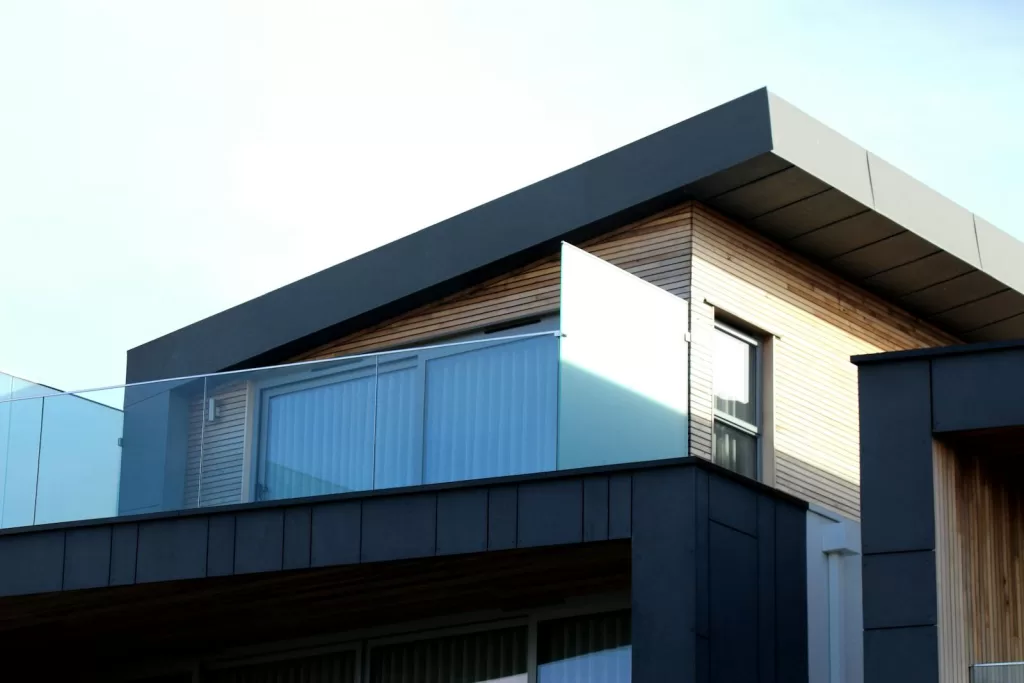
Metal roofs are known for outlasting nearly anything the PNW climate throws your way. A standing seam metal roof is a popular choice for its durability and modern appearance. Popular metals in this area include steel and aluminum, which hold up against corrosion and harsh weather.
Metal roofs are also fire resistant, providing extra safety for homeowners. The reflective properties of metal roofing help in reducing cooling costs during warmer months by improving indoor temperature regulation. Metal panels are attached directly to the roof deck, ensuring a secure installation and long-lasting performance.
You can expect 50 or more years from a well-installed metal roof, with little more than occasional debris clearing needed. Their interlocking panels deflect wind gusts and channel rain away quickly, so leaks and damage are rare. Metal’s slick surface makes it tough for moss to gain a foothold, reducing maintenance in wet, shady lots.
Slate Roofing
A slate roof, made from natural slate, sets a high standard for longevity and performance. It is widely regarded as the longest lasting roofing material available. Natural slate is incredibly durable, able to withstand harsh weather conditions for over a century.
Slate roofs are very low maintenance, requiring little more than occasional inspections for slid tiles. With its high-end appearance and minimal upkeep, slate remains a luxury choice for those who want beauty and decades of peace of mind. The upfront cost runs high, but you see that investment stretch across generations.
Cedar Shakes
Cedar shake and natural wood shingles are both made from real wood and offer a natural, authentic appearance, but cedar shake is typically thicker and more textured, while natural wood shingles are smoother and more uniform. These shakes can last up to 60 years with attentive upkeep—such as treating for moss and algae every few years—so extra effort tends to reward owners with lasting beauty. However, wood roofing options like cedar shake often come with limited warranties, which can impact long-term maintenance and replacement costs. Cedar naturally insulates, supporting energy efficiency, and gives your home a rustic curb appeal.
Composite Shingles
You get the best of tradition and innovation from composite shingles. In the roofing industry, composite shingles are gaining popularity due to their durability and the use of modern material innovations. Engineered from blends of recycled plastic, rubber, and other durable materials, these shingles deal impressively well with rain, wind, and hail. Many composite shingles are made from recycled plastic, contributing to sustainability.
Composite shingles often have high fire ratings, making them a safe choice for homeowners. Compared to other materials like metal or slate, composite shingles offer a balance of durability, appearance, and lower maintenance, while still mimicking the look of high-end options such as slate or cedar without the frequent maintenance or cost.
| Material | Typical Lifespan (years) | Key Strengths | Key Considerations |
|---|---|---|---|
| Asphalt Shingles | 20-30 | Cost, adaptability | Requires moss maintenance |
| Metal Roofing | 50+ | Longevity, wind/rain resistance | May not suit historic exteriors |
| Slate Roofing | 100+ | Ultimate lifespan, aesthetics | High installation cost |
| Cedar Shakes | Up to 60 | Natural insulation, style | Regular treatment for moss |
| Composite Shingles | 30-50 | Eco-friendly, low maintenance, high fire ratings | Varies in appearance quality |
Your final choice depends on how you weigh aesthetics, environmental impact, cost, and how much maintenance you’re prepared to take on. Each material here brings its own balance of long-lasting performance and style fit for the Pacific Northwest’s unpredictable weather.
Pros and Cons of Each Material
Asphalt Shingles
Durability stays solid for 20-30 years, perfect for folks who want a recognizable look and lower upfront cost. Asphalt shingles are among the most common roofing materials, offering a classic appearance that many homeowners expect. Installation tends to be quick, color and style options feel almost endless, and repairs don’t break the bank. Moss can grow like crazy in wet climates though, so expect to do a bit of cleaning. Shingles could loosen during windstorms, so some patchwork might be on the horizon. Compared to traditional shingles, alternatives like composite or metal may offer longer lifespans or different maintenance needs.
Metal Roofing
Metal lasts 50 years or longer, practically brushing off heavy rain and high winds without flinching. Resistance to moss growth and fire brings peace of mind. Many of us like its modern appearance, but in some neighborhoods, metal looks a little out of sync.
Initial costs run higher and if you’re sensitive to sound, rain can get noisy. Fasteners and coatings might need occasional attention if you want top performance. Metal roofing is also considered one of the common roofing materials, with options like copper providing both durability and longevity.
Slate Roofing
Lifespan goes beyond a century, which feels almost unrivaled in the Pacific Northwest. Minimal maintenance and standout resistance to all the elements—rain, wind, snow—keep your roof trouble-free. Weight becomes a challenge for many homes, often demanding extra structural support. Installation asks for skill, driving costs up. Repairs get tricky too, since slate tiles can crack under foot pressure. Clay tiles are another long-lasting and attractive choice, especially valued for their durability and suitability in hot climates.
Cedar Shakes
Many love the warm, rugged appearance, blending seamlessly with natural surroundings. Lifespan reaches up to 60 years with regular treatment and attention. Cedar provides natural insulation, trimming heating and cooling costs. Regular maintenance is a must though, since moss and algae thrive in damp weather. Fire risk increases without special treatments, and the up-front investment tops that of standard shingles.
Composite Shingles
Options feel flexible; styles mimic wood, slate, or classic shingles. Composite materials commonly last 30-50 years and aren’t fazed by wind, rain, or mold. Lightweight nature makes installation easier for most homes. Costs generally sit above asphalt shingles but under slate or metal. Compared to traditional shingles, composite shingles often require less maintenance and can offer a wider range of appearances. If you like authentic materials, the synthetic feel might not suit your preference. Repair and replacement options sometimes require returning to the original manufacturer.
Concrete Tiles
Concrete tiles are a durable option for homeowners, often lasting over 50 years while mimicking the look of other materials. They resist fire, insects, and rot, but their weight may require additional roof support. Installation and material costs are higher than asphalt, but the longevity can offset the investment over time.
Roof Maintenance and Inspection
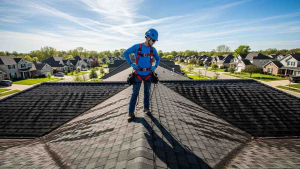
A strong, reliable roof starts with regular maintenance and thorough inspections. The Pacific Northwest’s unpredictable weather—ranging from severe storms to intense UV rays and extreme temperatures—can take a toll on even the most durable roofing. To prevent leaks and avoid costly repairs, it’s important to check your roof after major weather conditions, looking for signs of damage like missing shingles, loose flashing, or worn areas around chimneys and vents.
Keeping your roof clear of debris and moss not only preserves its appearance but also helps maintain its structural integrity. Don’t forget to inspect for damage caused by UV rays, which can weaken roofing materials over time. With proper care and attention, a well maintained roof will continue to protect your home and family, ensuring your investment stands strong against whatever the Pacific Northwest weather has in store.
How to Choose the Best Material for Your Home
Selecting roofing for a Pacific Northwest home? Let’s narrow things down. Weather here doesn’t mess around—relentless rain, gusty winds, and long, damp spells challenge even the toughest roofs. Weigh these factors as you search:
Climate resilience: Durability tops the list in the PNW. Metal roofs handle severe wind and heavy rain with ease—think of homes along coastal cliffs. Cedar shakes, when treated, stand their ground against moisture for decades, though you’ll spot some moss if left untended. Asphalt shingles keep water at bay but sometimes need reinforcement after a harsh storm.
Moisture and moss resistance: Metal and composite shingles, for instance, rarely attract moss because smooth surfaces deny a foothold. Asphalt and untreated cedar, on the other hand, may get green patches, so cleaning calls your attention more often. Not all homeowners want those extra chores.
Aesthetic value: What’s the vibe of your street? Classic charm? Contemporary edge? Slate roofing turns heads with its timeless, stone-gray sheen, while composite shakes can mimic cedar or tile for less countertop drama. Metal options—sold in finishes from slate gray to earthy copper—fit both bold modern and rustic homes. Choose what keeps your home in harmony with its surroundings, and consider how your roofing material can enhance your home’s architecture for greater curb appeal.
Maintenance: How much upkeep are you up for? Metal asks for almost none—just occasional checks. Slate and composite are similarly low-maintenance. Cedar, however, requires regular treatment and debris removal, especially after rain-heavy weeks. Asphalt sits somewhere between: simple repairs, but extra vigilance during stormy months.
Environmental impact: Sustainability matters more every year in the Pacific Northwest. Recycled composite shingles, reclaimed slate, and metal made from post-consumer steel appeal to eco-minded homeowners. Cedar, when responsibly harvested, also makes the list. Asphalt often gets a nod for affordability, yet it’s less “green”—production and disposal can impact the environment.
Cost vs. longevity: Budget constraints? Asphalt installs for less, while metal, slate, and composite come higher but spread their value over many years—sometimes more than five decades. Cedar falls somewhere in the middle; up-front price isn’t steep, but ongoing maintenance costs add up. Investing in a durable material for a new roof can help save money over time by reducing repair and replacement expenses.
Community and code: Many neighborhoods and HOAs lay out clear boundaries for roofing style and color. You’ll want to review local codes before falling in love with a particular material, especially if you’re eyeing something unconventional.
When considering roof types, remember that low-sloped roofs and flat roofs require specific materials—such as modified bitumen, built-up roofing (BUR), or PVC—to ensure optimal performance and durability.
Here’s how key materials stack up for the Pacific Northwest:
| Roofing Material | Typical Lifespan (Years) | Notable Strengths | Watchouts |
|---|---|---|---|
| Asphalt Shingles | 20-30 | Affordable, versatile | Moss growth, shorter life |
| Metal Roofing | 50+ | Weather resistant, low maintenance | Initial cost |
| Slate | 75-100+ | Longest life, minimal care | Heavy, pricey |
| Cedar Shakes | Up to 60 | Natural look, insulation | High maintenance |
| Composite Shingles | 30-50 | Sustainable, durable | May not suit every taste |
Balancing these criteria in your decision process gives your home reliable protection, enduring appeal, and lasting value in the face of unpredictable Northwest elements.
Conclusion
Choosing the right roofing material for our Pacific Northwest homes means thinking beyond first impressions. When we invest in a roof that stands up to relentless rain and wind we’re protecting our homes and boosting their value for decades.
Let’s weigh our options carefully and consult with local experts to make sure our roofs are ready for whatever the weather brings. With the right choice we can enjoy peace of mind knowing our homes are both beautiful and built to last.
Frequently Asked Questions
What are the best roofing materials for homes in the Pacific Northwest?
Metal roofing, slate, cedar shakes, composite shingles, and asphalt shingles are top choices for the Pacific Northwest. These materials handle persistent rain, high winds, and moss growth well. Metal and slate roofs are especially durable, lasting 50 years or more, while cedar and composite shingles also perform well against moisture.
How long do metal roofs last in the Pacific Northwest?
Metal roofs can last over 50 years with proper installation and minimal maintenance. They are highly resistant to heavy rain, wind, and moss, making them ideal for the region’s climate.
Which roofing material is best for resisting moss and algae growth?
Metal and composite shingles are most resistant to moss and algae growth in damp climates like the Pacific Northwest. Asphalt shingles and cedar shakes require more frequent cleaning to prevent buildup.
Are cedar shakes a good choice for the Pacific Northwest climate?
Treated cedar shakes can last up to 60 years and offer natural insulation and classic appearance. However, they require regular treatments and maintenance to protect against moisture and moss common in the region.
What is the lifespan of asphalt shingles in this region?
With proper maintenance, asphalt shingles can last 20–30 years in the Pacific Northwest. They are affordable and easy to install but need regular cleaning to prevent moss and algae.
Are slate roofs suitable for homes in the Pacific Northwest?
Slate roofing offers excellent durability, lasting over 100 years with minimal upkeep. However, it is heavy and requires a strong structure plus skilled installation, which can raise costs.
How do roofing materials impact home energy efficiency?
Certain roofing materials, like metal and well-insulated composite shingles, can improve energy efficiency by reflecting heat or providing better insulation, leading to reduced energy bills in the Pacific Northwest’s cool, wet climate.
Do roofing aesthetics matter in the Pacific Northwest?
Yes, many homeowners want roofs that complement their home’s style and neighborhood vibe. Options like cedar shakes add rustic beauty, while composite shingles can mimic traditional looks with less maintenance.
What maintenance do Pacific Northwest roofs require?
Maintenance varies by material. Metal and composite shingles need little upkeep, while cedar and asphalt may need moss removal and periodic treatments to maintain their durability and appearance.
Are environmentally friendly roofing options available?
Yes, many metal and composite roofs are made from recycled or sustainable materials. Cedar shakes, if sourced responsibly, are also eco-friendly. These options appeal to homeowners seeking lower environmental impact.
Do local codes or HOAs influence roofing choices?
Absolutely. Local building codes and homeowners association rules can restrict material, color, or style options. Always check guidelines before starting a roofing project to ensure compliance.