Choosing the right shingles for your roof is more than just a practical decision—it’s about protecting your home, your family, and your peace of mind. When the weather gets wild, your roof is the first line of defense against nature’s fury, shielding you from hail, high winds, and relentless storms. The choice between Class 3 shingles vs Class 4 shingles can be overwhelming, but understanding the difference is key to making the right decision for your home’s safety and longevity.
If you’re in the Pacific Northwest and unsure of what to expect or just want to invest in roofing material that’s more durable and has better insurance benefits, this guide will walk you through it all. From impact resistance to cost and aesthetics, find out which shingles will be on top of your head and provide the protection your home deserves.
Key Points
- Class 4 shingles offer more impact resistance and durability, and are best for areas that get severe weather. Class 3 shingles offer moderate protection for milder climates.
- Class 4 shingles cost more upfront but can save you money in the long run on repairs, maintenance, and insurance premiums due to less damage.
- Proper installation by licensed professionals is key to impact-resistant shingles performing as expected and withstanding severe weather.
What are Shingle Class Ratings?
The class rating system for shingles is based on their durability and impact resistance. The impact resistance rating scale for shingles goes from 1 to 4, with a higher rating meaning better resistance to hail or debris. This is especially important for homeowners in areas with severe weather, as higher-class shingles can save you a ton of money on repairs from storm damage.
Impact resistance ratings are determined by standardized tests such as the UL 2218, which simulates hail impacts using steel balls. The UL 2218 test is a tough process that ensures shingles meet specific standards for impact resistance and fire resistance. For example, Class 4 shingles must meet high standards for impact resistance and durability, making them the gold standard in roofing protection.
Impact-resistant shingles can be a big investment, but it pays off by providing better protection and less repairs. Understanding shingle classes and ratings helps homeowners make the best decisions on the right roofing material for their specific needs
How Class 3 and Class 4 Shingles Are Tested
Understanding the difference between Class 3 and Class 4 shingles involves looking at how they are tested. The UL 2218 classification system, often referred to as the “steel ball test,” evaluates shingles’ impact resistance by dropping steel balls from specific heights. This test simulates the impact of hailstones hitting the roof, providing a realistic measure of a shingle’s durability against such impacts.
For Class 3 shingles:
- A 1.75-inch steel ball is dropped from 17 feet
- Shingles must remain uncracked after 2 impacts
- Tested at speeds up to 60 mph to simulate moderate hail impacts
For Class 4 shingles:
- A 2-inch steel ball is dropped from 20 feet
- This higher standard ensures Class 4 shingles are engineered to withstand hail from larger hailstones and more severe weather conditions. The more rigorous testing sets Class 4 shingles apart, making them the better choice for areas that get extreme weather.
Impact Resistance: Class 3 vs. Class 4
When it comes to impact resistance, Class 4 shingles are engineered to withstand the most severe weather conditions, offering adequate protection to your home. These shingles have:
- Advanced materials and technologies like WeatherGuard® and SBS-modified asphalt to enhance durability
- Thicker multi-layer design
- A reinforced mat that contributes to their extra resistance
Class 3 shingles offer:
- Moderate impact resistance for milder climates
- Must remain uncracked after 2 impacts of a 1.75-inch steel ball
- Don’t match the durability and impact resistance of Class 4 shingles
In areas that get severe weather, Class 4 shingles are often considered the gold standard for impact resistance in roofing. They can withstand impacts from steel balls up to 2 inches, making them a more robust option than Class 3 shingles. This extra protection helps prevent storm damage and gives you peace of mind during extreme weather events.
Durability and Longevity
Durability is key when it comes to roofing materials, and Class 4 shingles excel in this area. In hail-prone areas, homeowners with Class 4 shingles experience less damage during severe storms compared to those with Class 3 shingles. The durability of Class 4 shingles reduces the need for maintenance and associated costs over time.
Both Class 3 and Class 4 shingles have their own advantages, catering to different environmental conditions and budget considerations. However, the increased durability and longer lifespan of Class 4 shingles make them a worthwhile investment for many homeowners, especially those in areas with frequent severe weather.
Class 4 shingles require fewer repairs and replacements, offering long-term savings and peace of mind. They can withstand extreme weather conditions, so homeowners can rely on their roofs to provide protection year after year, resulting in reduced repair costs.
Cost Comparison: Initial Investment and Long-Term Savings
Cost is always a big consideration when choosing roofing materials. Class 4 shingles are typically more expensive than Class 3 shingles, with a difference of around $50 per square. This higher upfront cost can be a deterrent for some homeowners.
However, this higher upfront cost is often offset by the long-term savings that Class 4 shingles provide. Investing in Class 4 shingles can minimize maintenance and repair needs, resulting in reduced long-term costs. They come with a longer warranty, often 50 years, which adds to their value as a long-term investment.
Class 4 shingles can increase the resale value of a home. This is a feature that makes them a good roofing option for homeowners. High-impact shingles are more attractive to potential homebuyers because they mean lower future maintenance needs. Savings on insurance and avoided repair costs can also help offset the price difference for Class 4 shingles.
In milder climates where severe weather is less common, Class 3 shingles might be the more economical choice.
Insurance Benefits
One of the biggest benefits of using Class 4 shingles is the potential for insurance savings. Homes with Class 4-rated roofs may qualify for insurance discounts because of a lower likelihood of damage. These discounts can range from 10% to 25% and help offset the initial cost of Class 4 shingles.
Many insurance companies offer discounts for homes with impact-resistant shingles, recognizing the reduced risk of damage and repair costs. This can result in lower insurance premiums and long-term savings for homeowners and potential savings. Investing in Class 4 shingles can also increase a property’s resale value, making them a really good investment.
Besides financial savings, Class 4 shingles provide added protection and peace of mind knowing your home is better equipped to handle severe weather. These insurance benefits make Class 4 shingles a good choice for homeowners who want to protect their investment and reduce ongoing costs with their insurance provider.
Aesthetic Appeal and Design Options
Impact-resistant shingles do not sacrifice aesthetic appeal for durability. Class 4 shingles come in a wide variety of colors and styles so homeowners can choose options that match their home’s look. Whether you like the look of traditional asphalt shingles or architectural shingles, there are impact-resistant options available that can enhance your home’s curb appeal.
Both Class 3 and Class 4 shingles have a wide selection of colors and textures, so durability doesn’t come at the cost of visual appeal. Homeowners can choose shingles that mimic traditional materials like wood or slate, adding a touch of elegance to their roofs and their home’s look.
This means you can find the perfect match for your home’s design, making impact-resistant shingles an economical choice without compromising on style.
Regional Considerations
When choosing between Class 3 and Class 4 shingles, regional considerations play a big role:
- Class 4 shingles are designed to withstand the most severe impacts.
- They are ideal for hail-prone areas.
- While hail does occur in the Pacific Northwest region, it’s nothing compared to areas like Colorado, where severe hailstorms are common. Class 4 shingles are often required in hail-prone areas by local building codes.
Homeowners should evaluate their local climate and weather patterns when selecting shingles for their roofs, especially in hail-prone areas. In areas like Salisbury, MD, where stormy skies and harsh weather events are frequent, the choice of shingles is critical to ensure protection. In milder climates, Class 3 shingles might be enough, providing decent protection at a lower cost.
Also, check local building codes regarding shingle class ratings before making a purchase. Some areas have specific requirements for impact-resistant shingles to ensure compliance and protection for homeowners. Knowing these regional factors can help you make a wise choice that meets both your needs and local regulations.
Installation and Professional Expertise
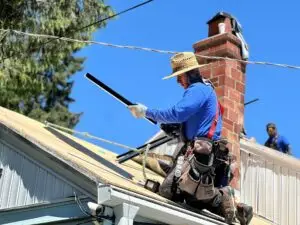
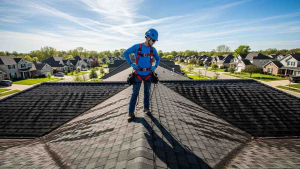
Proper installation by licensed roofing companies is key to maximizing the performance and longevity of impact-resistant shingles.
Durable materials and professional installation by licensed contractors contribute to the performance of Class 3 and Class 4 shingles. Choosing a reputable roofing company ensures your shingles are installed correctly and perform as expected.
NearMe Roofing Company, for example, emphasizes strict adherence to safety protocols and transparent communication with customers during the installation of impact-resistant shingles. This commitment to quality and customer satisfaction is important for homeowners who want to protect their investment and make their shingles last longer.
Real World Performance
Class 4 shingles have more advantages over Class 3 shingles. They are:
- More durable in harsh weather
- Better performance against strong winds and hail
- Superior impact resistance provides better protection
- Can endure harsher conditions, making them worth the investment despite the higher cost
- Rigorous testing and advanced materials can withstand extreme weather
Correct installation by a certified roofing contractor is crucial to ensure impact-resistant shingles perform well against severe weather. Homeowners should work with experienced professionals who understand local weather challenges to guarantee optimal shingle performance.
This real-world performance shows the value of investing in high-quality impact-resistant shingles and roof shingles for your home, providing superior durability.
Making a Decision
Choosing between Class 3 and Class 4 shingles depends on your needs, budget, and your city’s climate conditions. Class 4 shingles are worth the investment due to their durability and insurance benefits. They are recommended for areas with frequent severe hailstorms, like Colorado counties.
For homeowners in milder climates, Class 3 shingles may be enough for the homeowner, providing decent protection at a lower cost. At the end of the day, what matters should go beyond cost – it’s about durability, protection, and peace of mind for your home. Class 4 shingles can also increase a home’s resale value, making them a good choice for many homeowners.
Conclusion
Class 4 shingles have superior impact resistance, durability, and long-term savings compared to Class 3 shingles. They are best for homeowners in severe weather areas, providing better protection and potential insurance benefits. The higher upfront cost of Class 4 shingles is often offset by reduced maintenance needs and lower insurance premiums.
When making a decision on your roofing material, consider your local climate, budget, and long-term goals. Whether you choose Class 3 or Class 4 shingles, proper installation and working with reputable contractors is key to maximizing your roofing investment. Protecting your home with the best possible materials will give you more peace of mind and increase your property value.
FAQs
What is the difference between Class 3 and Class 4 shingles?
Class 4 shingles have more protection than Class 3 shingles as they can withstand a heavier impact from a larger steel ball dropped from a greater height. So, for more durability and hail damage resistance, Class 4 shingles are the better choice.
Are Class 4 shingles worth the investment?
Yes, Class 4 shingles are worth the investment as they have more durability, lower maintenance requirements, potential insurance savings, and can increase your home’s resale value.
How can Class 4 shingles save on insurance costs?
Class 4 shingles can save you on insurance costs by potentially qualifying your home for 10% to 25% discounts due to their increased resistance to severe weather damage. This reduction in risk can lead to lower insurance premiums.
What are the aesthetic options for impact resistant shingles?
Impact-resistant shingles, particularly Class 4, have many styles, colors, and textures so homeowners can choose options that enhance their home’s look. This flexibility ensures you can have both durability and visual appeal in your roofing.
Should I choose Class 3 or Class 4 shingles for my home?
Choose Class 4 shingles if you live in an area with severe weather or hail, as they have more protection. In milder climates, Class 3 shingles may be enough and more budget-friendly.